


TECHNICAL ARTICLE
The Benefits Of Bacillus
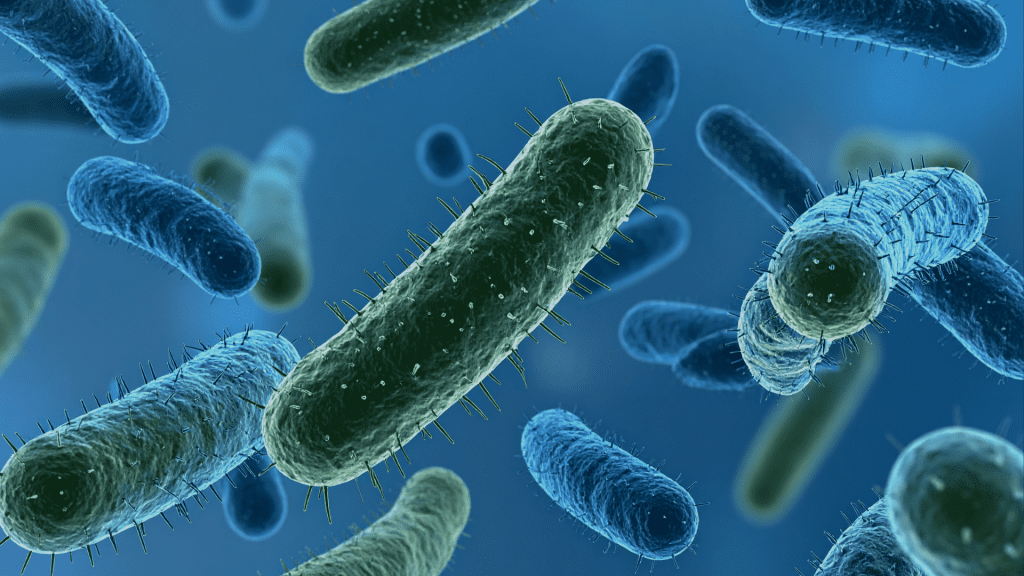
Acting as a natural bio-fertiliser, biocontrol agent, and bio-stimulant, Bacillus bacteria are cornerstone beneficial microbes in agriculture. As they colonise the root zone, Bacillus bacteria suppress harmful root diseases, stimulate vigorous crop growth, and convert insoluble soil nutrients into plant-available forms.
Key agricultural benefits of Bacillus species include:
Nutrient Availability
By converting locked-up, insoluble nutrients into simple, plant-available forms, Bacillus bacteria improve soil fertility. They achieve this by colonising the rhizosphere and secreting a powerful biochemical cocktail that breaks down stubborn organic and mineral compounds.
Acidifcation
Bacillus species, such as B. subtilis and B. megaterium, break the bonds in insoluble mineral compounds by secreting low-molecular-weight organic acids like citric, lactic, succinic and acetic acid that lower the local soil pH and release protons (H+), which frees up bound nutrients for root absorption.
Chelation
Bacillus excretes chelating agents such as organic acids and siderophores (specialised iron-binding molecules). These compounds bind to positively charged metal ions like iron, zinc and potassium, converting them into highly mobile, stable complexes that can be easily absorbed by plant roots.
Enzymatic Catalysis
Certain Bacillus species synthesise and release specialised extracellular enzymes:
- Phosphatases break down organic, complex phosphorus that plants cannot use into inorganic, simple phosphate (PO43-).
- Phytases specifically target and release locked phosphate in manure and plant material.
Nutrient-Specific Breakdown
Different Bacillus species target specific essential elements:
- Phosphorus and Potassium: to release bioavailable phosphorus and potassium, organic acids and enzymes dissolve rock minerals like apatite or basalt.
- Iron: insoluble iron oxides are dissolved by siderophores and transported to the root surface.
- Zinc: Bacillus solubilises zinc oxide and zinc carbonate through acidification, improving the availability of this crucial micronutrient.
Nitrogen Fixation
Bacillus can bring nitrogen into the soil nutrient pool, as certain Bacillus strains possess nitrogenase enzymes that directly convert atmospheric nitrogen (N2) into soluble ammonia (NH3).
Disease Suppression
By acting as a natural biocontrol agent, Bacillus bacteria suppress diseases by inhibiting pathogens through resource competition, producing antimicrobial compounds (like peptides and antibiotics), and inducing plant innate immunity. Widely recognised in soil health and agriculture, Bacillus species, such as B. subtilis, B. amyloliquefaciens, and B. coagulans, suppress disease by utilising several key mechanisms.
Resource and Space Competition
Once Bacillus spores germinate and multiply rapidly around the rhizosphere, they occupy space and consume microbial resources, such as nutrient-grabbing siderophores, thus starving harmful fungi and bacteria and preventing them from establishing.
Antimicrobial Compounds
Bacillus bacteria impede or directly destroy the growth of plant pathogens by producing a wide variety of powerful antimicrobial compounds, such as lipopeptides, bacteriocins, and volatile organic compounds (VOCs).
Siderophores
Bacillus bacteria create nutrient deficiencies for harmful microbes, thus preventing their growth, by secreting siderophores, which are specialised iron-chelating molecules that bind up iron in the soil.
Induced Systemic Resistance (ISR)
Bacillus boosts plant immunity against pathogens by interacting with plant roots and triggering plant defence mechanisms. Primed plant defence then enhances resistance to attacks from pathogenic fungi, bacteria, and viruses.
Hydrolytic Enzymes
Bacillus can protect against fungal pathogens by secreting enzymes like chitinases, glucanases, and proteases that actively break down fungal cell walls.

Plant Growth Promotion
By regulating plant hormones, enhancing nutrient availability, suppressing pathogens, improving overall stress resilience, and boosting root development, Bacillus promotes plant growth when used as an agricultural bio-fertiliser.
Nutrient Solubilisation
Bacillus bacteria convert insoluble soil nutrients, like phosphorus and zinc, into forms readily available for plant uptake.
Phytohormone Production
Bacillus bacteria secrete plant hormones, including cytokinins, gibberellins, and auxin (IAA), which stimulate plant root development, thus enhancing access to nutrients and water.
Pathogen Suppression
Bacillus restricts the growth of harmful fungi and bacteria by producing antimicrobial compounds and siderophores, while also triggering plant systemic defence mechanisms.
Induced Systemic Resistance (ISR)
Bacillus species, such as B. subtilis and B. amyloliquefaciens, trigger Induced Systemic Resistance (ISR) by colonising plant roots. This results in plant defence priming, in which Bacillus trains the plant’s defence systems to respond faster and more vigorously during subsequent pathogen attacks. With crops, Bacillus use can establish broad-spectrum, cost-effective defence mechanisms that fight viruses, insect pests and pathogenic bacteria and fungi. ISR primes the plant so that a defence response occurs only upon actual pathogen attack, which is more energy-efficient than defence responses that are always activated.
Root Colonisation and Elicitor Production
Bacillus bacteria secrete specific biochemical “elicitors” or signalling compounds as they colonise the rhizosphere, which include volatile organic compounds (VOCs) like butanediol and acetoin.
Defence Regulatory Genes
Bacillus primarily stimulates Ethylene (ET) and Jasmonic Acid (JA) signalling pathways associated with ISR. Molecular signalling within the plant triggered by Bacillus root colonisation involves key regulatory proteins. Acting as a central master switch, the regulatory protein NPR1 modifies plant transcriptional responses and coordinates the expression of multiple defence genes.
Chemical Defences & Physical Fortification
Defence-primed plants deploy an aggressive, localised response when attacked by a pathogen or insect. Bacillus root colonisation results in reinforced cell walls due to rapidly deposited callose and lignin, which physically blocks pathogens from entering plant cells. Defence-primed plants also accumulate reactive oxygen species (ROS) to kill invading pathogens; a mechanism known as the oxidative burst. Altered metabolite production and upregulated synthesis of pathogenesis-related (PR) antioxidants, phytoalexins, and proteins also contribute to neutralising external threats.
Bacillus in Ecogrowth® fertilisers
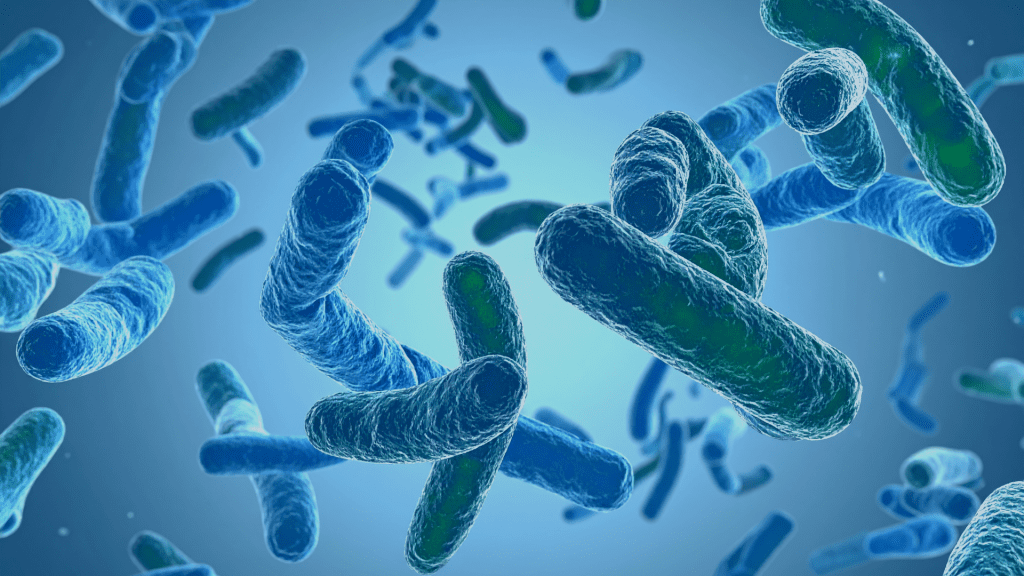
Ecogrowth® incorporates Bacillus in our range of granular fertilisers by including select Bacillus strains in EcoAdvance® premium biology. EcoAdvance® premium biology is our proprietary granular fertiliser inoculum, containing select strains of beneficial soil microbes and complementary bio-stimulants. This powerful microbial primer/catalyst works by kick-starting soil microbial activity. Ecogrowth® rock-mineral fertiliser granules directly support microbial growth, acting as ‘seeds’ of beneficial soil microbes. The low-soluble nature of rock mineral nutrients also encourages plant–microbe symbiosis, which then renders rock mineral nutrients plant bioavailable. Once inoculated, rock mineral fertiliser granules are introduced to soil, and EcoAdvance® premium biology microbes proliferate, microorganism-based processes are supported that have many soil and plant benefits, including natural mineral cycling, enhanced nutrient release and delivery, improved soil structure and moisture retention, and increased overall plant health and resilience.
Soils are diverse and complex living ecosystems. Biologically driven soil processes provide plant nutrition, and their presence is a key indicator of overall soil health and functioning. Without biology, soils are simply geology.
Biologically active soils are the cornerstone of healthy, resilient and sustainable agricultural production systems. When functioning effectively, soil microbe–plant root interactions positively influence plant health and productivity. Microbial activity in the rhizosphere surrounding plant roots stimulates soil-building processes and enhances mineral availability.
Summary
Bacillus bacteria are cornerstone beneficial soil microbes widely used in agricultural production as a natural biopesticide, bio-stimulant, and bio-fertiliser. Bacillus improves soil fertility by converting locked-up, insoluble nutrients into plant bioavailable forms. Bacillus, as a bio-fertiliser, promotes growth by boosting root development, regulating plant hormones, enhancing nutrient availability, suppressing pathogens, fixing nitrogen, and improving abiotic stress resilience.
References
- Principles and Applications of Soil Microbiology
- Sylvia, D. M., Fuhrmann, J. J., Hartel, P. G., & Zuberer, D. A. (2005). Principles and Applications of Soil Microbiology (2nd ed.). Pearson Prentice Hall.
- Biological Control of Plant Pathogens
- Baker, K. F., & Cook, R. J. (1974). Biological Control of Plant Pathogens. W.H. Freeman and Company.
- Plant Growth Promoting Rhizobacteria for Sustainable Stress Management
- Sayyed, R. Z., Arora, N. K., & Reddy, M. S. (Eds.). (2019). Plant Growth Promoting Rhizobacteria for Sustainable Stress Management, Volume 1: Rhizobacteria in Abiotic Stress Management. Springer.
- Ahemad, M., & Kibret, M. (2014). Mechanisms and applications of plant growth promoting rhizobacteria: Current perspective. Journal of King Saud University – Science, 26(1), 1–20.
- Vessey, J. K. (2003). Plant growth promoting rhizobacteria as biofertilisers. Plant and Soil, 255, 571–586.
- Kloepper, J. W., Ryu, C. M., & Zhang, S. (2004). Induced systemic resistance and promotion of plant growth by Bacillus spp. Phytopathology, 94(11), 1259–1266.
- Lugtenberg, B., & Kamilova, F. (2009). Plant-growth-promoting rhizobacteria. Annual Review of Microbiology, 63, 541–556.
- Glick, B. R. (2012). Plant growth-promoting bacteria: Mechanisms and applications. Scientifica, 2012, 963401.
- Chen, Y. P., Rekha, P. D., Arun, A. B., Shen, F. T., Lai, W. A., & Young, C. C. (2006). Phosphate solubilising bacteria from subtropical soil and their tricalcium phosphate solubilising abilities. Applied Soil Ecology, 34(1), 33–41.
- Rodríguez, H., & Fraga, R. (1999). Phosphate solubilising bacteria and their role in plant growth promotion. Biotechnology Advances, 17(4–5), 319–339.
- Richardson, A. E., Barea, J. M., McNeill, A. M., & Prigent-Combaret, C. (2009). Acquisition of phosphorus and nitrogen in the rhizosphere and plant growth promotion by microorganisms. Plant and Soil, 321, 305–339.
- Shafi, J., Tian, H., & Ji, M. (2017). Bacillus species as versatile weapons for plant pathogens: A review. Biotechnology & Biotechnological Equipment, 31(3), 446–459.
- Ongena, M., & Jacques, P. (2008). Bacillus lipopeptides: Versatile weapons for plant disease biocontrol. Trends in Microbiology, 16(3), 115–125.
- Compant, S., Duffy, B., Nowak, J., Clément, C., & Barka, E. A. (2005). Use of plant growth-promoting bacteria for biocontrol of plant diseases: Principles, mechanisms of action, and future prospects. Applied and Environmental Microbiology, 71(9), 4951–4959.
- Bhattacharyya, P. N., & Jha, D. K. (2012). Plant growth-promoting rhizobacteria (PGPR): Emergence in agriculture. World Journal of Microbiology and Biotechnology, 28, 1327–1350.
- Kumar, A., Patel, J. S., Meena, V. S., & Srivastava, R. (2019). Recent advances of PGPR based approaches for stress tolerance in plants. Journal of Plant Growth Regulation, 38, 1–27.
- Backer, R., Rokem, J. S., Ilangumaran, G., et al. (2018). Plant growth-promoting rhizobacteria: Context, mechanisms of action and roadmap to commercialisation. Frontiers in Plant Science, 9, 1473.
- Beneduzi, A., Ambrosini, A., & Passaglia, L. M. P. (2012). Plant growth-promoting rhizobacteria (PGPR): Their potential as antagonists and biocontrol agents. Genetics and Molecular Biology, 35(4), 1044–1051.
- Gouda, S., Kerry, R. G., Das, G., Paramithiotis, S., Shin, H. S., & Patra, J. K. (2018). Revitalisation of plant growth promoting rhizobacteria for sustainable development in agriculture. Microbiological Research, 206, 131–140.
TECHNICAL ARTICLES
You may also be interested in…

Koorian Cattle Grazing Trial
Comparative weight gain on pasture fertilised with conventional or Ecogrowth® products. JULY – DECEMBER 2025 Background Ecogrowth® fertilisers provide comprehensive…

Slow-Release Fertilisers And The Science Behind Them
Slow-release fertilisers are well-known in the agricultural industry. Their ability to provide a crop with a more consistent supply of…

Targeting Nutrition Pre-Flowering to Enhance Macadamia Yield
As the flowering season for macadamia ramps up across Australia, adequate tree nutrition is vital. The July to August period…

Lawnbassador Lawn Nutrition Program
Implementation and Results Introduction A healthy lawn depends on a healthy, biologically active soil. The Lawnbassador project was a collaborative…
Related products

Eco-Vital®
A premium natural kelp and fish fertiliser with plant extracts that delivers rapid results.



Subscribe to our newsletter
Stay up to date with all the latest Ecogrowth news, case studies and technical articles by subscribing to our newsletter.
"*" indicates required fields
Download our
product guide
Featuring the entire range of Ecogrowth products, including EcoAdvance® premium biology, biologically activated rock mineral granular fertilisers, commercial strength liquid fertilisers and soil amendments.