Microbes & Stimulants

Eco-Humate

Concentrated liquid humus soil conditioner

View Product

Microbial Fertilisers & Stimulants

Microbes & stimulants

Ecogrowth’s microbial fertilisers and biostimulants are manufactured to provide increased soil microbial activity to support plant and crop performance for a range of industries across Australia. From custom ACO-certified fertiliser blends to liquid trace elements and soil amendments, our microbes and biostimulants regulate soil nutrient dynamics and promote nutrient cycling through improving soil biology.

Filter

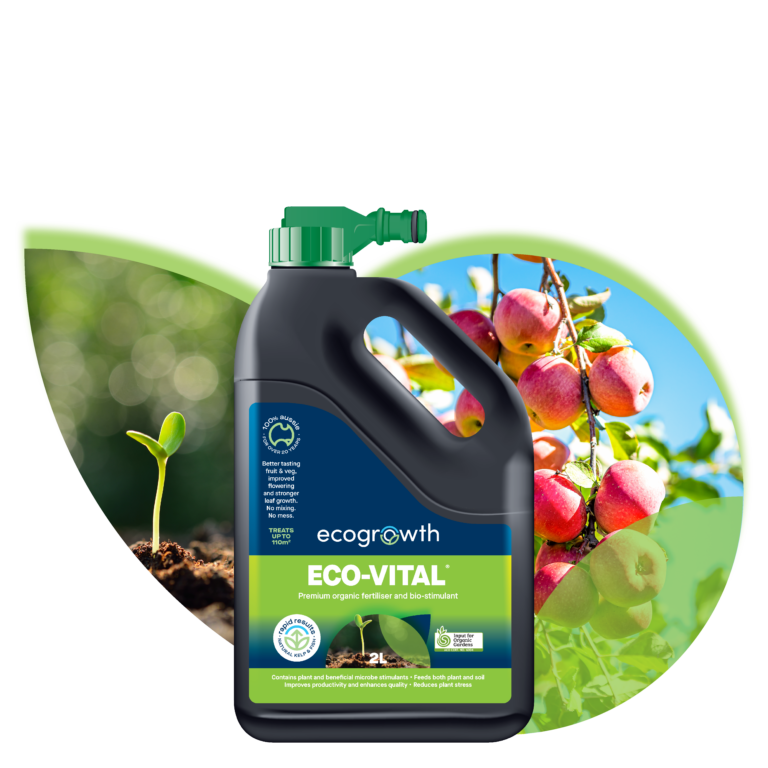
  • Eco-Vital®

    A premium natural kelp and fish fertiliser with plant extracts that delivers rapid results.

    VIEW PRODUCT
  • Eco-Vital® Home

    A premium natural kelp and fish fertiliser with plant extracts that delivers rapid results.

    VIEW PRODUCT
  • Eco-Humate

    Concentrated liquid humus soil conditioner.

    VIEW PRODUCT
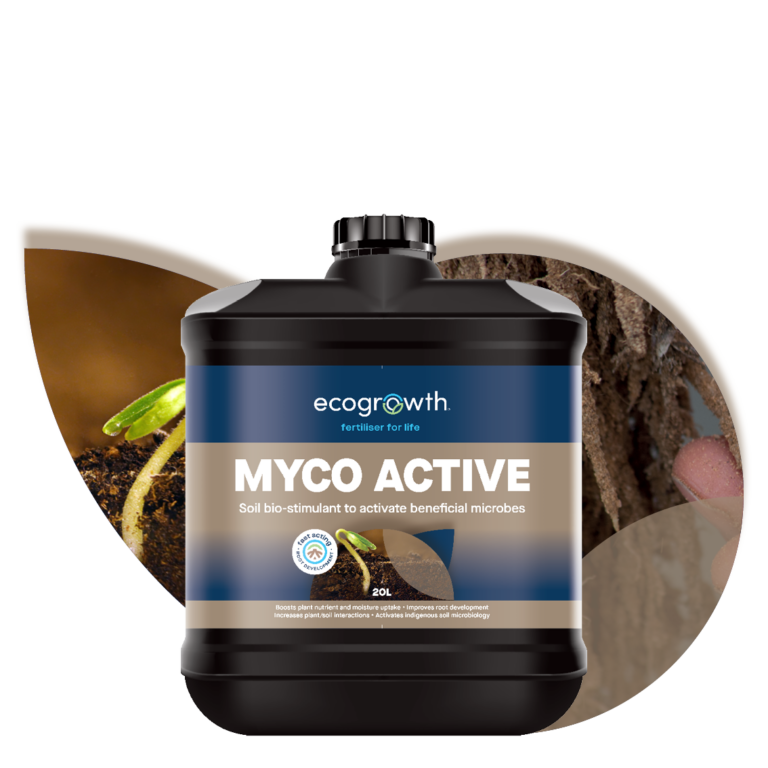
  • Myco Active

    Soil bio-stimulant to activate beneficial microbes.

    VIEW PRODUCT

Frequently Asked Questions

What are microbial fertilisers?

Microbial  fertilisers, or bio-fertilisers, are living microorganisms and organic matter that enriches the soil, increase enzyme activity, and break down organic matter, leading to better soil health.

Microbial fertilisers are produced using fermentation processes that involve beneficial bacteria, fungi, and other microbes that are not typically found in the soil. These microbes break down and digest organic materials in the soil, releasing organic acids and making essential elements like Phosphorus and Potassium more readily bioavailable for the plant.

Fungi such as mycorrhizae form extensive underground symbiotic networks with plant roots that improve water retention and soil structure. Other microorganisms, like nitrogen-fixing bacteria and phosphate-solubilising microbes, promote nutrient availability, boosting soil fertility and plant growth.

What are the different types of biological inputs and fertilisers?

Biostimulants

Biostimulants are naturally derived liquid substances (e.g. microbial inoculants, compost extracts, and non-microbial products such as seaweed extracts, humic acids, and amino acids). Biostimulants do not provide but instead improve tolerance to abiotic stresses and stimulate the plant’s natural metabolic processes. Main functions are to stimulate plant growth and/or microbial activity, supporting crop resilience to pests, disease and adverse conditions, and enabling greater access to existing nutrients in the soil.

Organic amendments

Organic amendments are biological materials that are added to the soil to improve its physical, chemical and biological properties (e.g. composts, guano, rock phosphate, manures and biochar). Organic amendments generally help overcome specific soil constraints, such as water infiltration and nutrient retention. By adding nutrition and organic matter directly to the soil (including slow-release nutrients), beneficial bacteria improve its structure, nutrient uptake, overall soil biology and root development.

Biofertilisers

Biofertilisers are fermented, microbial-based liquid products containing micro and macronutrients, combined with carbohydrates to turn complex nutrients into more stable, bioavailable forms. They play a crucial role in nutrient cycling, fixing nitrogen, breaking down organic matter and decomposing harmful substances in the soil.

Key benefits of biofertilisers include increasing microbial activity, improving nutrient availability and soil health for better overall growing conditions.


What are the benefits of microbial fertilisers?

  1. Improving nutrient use efficiency.
    Microbial fertilisers stimulate plant and root growth, enabling the plant to readily absorb nutrients more efficiently. With increased access to nutrients, microorganisms that improve nutrient availability reduce the likelihood of nutrient leaching, contributing to greater sustainability.
  2. Soil health, structure and regeneration.
    One of the main problems of intensive agriculture is soil degradation, which reduces the soil’s natural ability to retain nutrients and water. The microorganisms in microbial fertilisers help to improve soil structure and aeration, improving capacity for water retention, reducing the need for extensive tillage and promoting greater biodiversity in the underground ecosystem.
  3. Reduced dependency on synthetic fertilisers. 
    Continuous use of chemical fertilisers can impoverish soil and lead to environmental contamination. Microbial fertilisers provide a natural, sustainable alternative, helping to mitigate issues such as nitrate leaching and pollution of nearby bodies of water.
  4. Increased resistance to diseases and pests.
    Beneficial microbes not only improve plant nutrition but also play a significant role in protecting against pathogens and pests. By strengthening plants’ natural defences, microbial fertilisers reduce the need for chemical pesticides, which benefits both plant health and the ecosystem.
  5. Adaptability to different crops and conditions.
    Microbial fertilisers can be applied to a wide variety of crops, from cereals and legumes to fruits and vegetables. From improving drought resilience and overall growing conditions, these versatile microorganisms adapt to different soil types and conditions, making them a viable option for a range of applications.

How to apply microbial fertilisers?

Soil incorporation: most microbial fertilisers should be applied directly to the soil, either through irrigation or by mixing them with the substrate. It is important to ensure that microorganisms have direct contact with roots and the soil to maximise their effects.

Moisture conditions: soil moisture is crucial for the success of microbial fertilisers. Ensure the soil is adequately moist to facilitate microorganism colonisation.

Product compatibility: it is advisable to avoid the simultaneous use of chemical pesticides/fungicides that may affect beneficial soil microbes. If such products are necessary, we recommend consulting our experts to ensure compatibility.

BIOLOGY FOR LIFE

EcoAdvance® premium biology

EcoAdvance® premium biology brings soil to life with beneficial microbes that activate the rhizophere surrounding plant roots. Biologically active soil has better structure, moisture retention, enhanced nutrient cycling and improved mineral availability for quality, healthy plants.

LEARN MORE

We have stockists across Australia

Whether you’re in far North Queensland, Great Southern WA, or anywhere in between, Ecogrowth is there.

We’re proudly Australian-owned and operated, with production facilities,
laboratories and industry experts that have been helping people grow their natural capital in Australia for over 25 years.

FIND A STOCKIST

Aussie made

Whether you’re in far North Queensland, Great Southern WA, or anywhere in between, Ecogrowth is there.

We’re proudly Australian-owned and operated, with production facilities, laboratories and industry experts that have been helping people grow their natural capital in Australia for over 25 years.

ABOUT US